Use this as a planning framework, then adapt it to your destination, conditions and experience. A drive-in campground and a remote overnight trip need different preparation.
Confirm the campsite before choosing equipment
Check the site’s facilities, booking conditions and access. Find out whether you can park beside the pitch or must carry everything from another location. Ask which facilities are available rather than assuming there is drinking water, power or a place to store food.
Write down the forecast and the activities you have planned. They influence shelter, sleep equipment and clothing. For conditions outside your experience, seek local guidance and the appropriate equipment before treating a shopping list as preparation.
Shelter and sleep come first
Pitch the tent before the trip and check that the poles, rainfly, stakes and other required parts are present. If equipment is shared, assign responsibility for each component so it is not packed twice or left behind.
- A suitable tent and all the components its setup requires.
- Sleeping pads that fit inside the tent’s actual floor dimensions.
- Sleeping equipment appropriate to the expected overnight conditions.
- A plan for storing footwear and wet gear.
Make a lighting and charging plan
Keep a personal light reachable and add a shared lantern if your evening activities need it. Record the cable or replacement batteries for each device. Charge equipment before leaving and decide where any recharge will happen during the trip.
A phone-focused power bank is not automatically enough for several phones and a lantern. Build your energy plan around the specific devices rather than assuming a capacity label equals a certain number of camping nights.
Food, clothing and the useful small items
This list does not cover every cooking system, remote-travel need or emergency. Confirm requirements for the actual trip; add specialized equipment only when you understand how it will be used.
- Food and water arrangements that follow the site’s rules and local guidance.
- Clothing and footwear selected for the expected conditions and activities.
- Personal medication, hygiene items and supplies you regularly rely on.
- Booking details, route information and a way to keep essential documents accessible.
- Waste bags and any site-specific requirements for leaving the pitch clean.
Do one packing rehearsal
Put the shared kit and each personal kit side by side. Assign who carries what, then check the complete weight and how the bags close. Keep arrival essentials easy to reach so you can set up without unpacking everything.
Keep exploring: our camping & lighting hub brings the buying guides and product assessments together.
See the published product details
These are sourced specification assessments, not hands-on tests. Prices are dated snapshots.
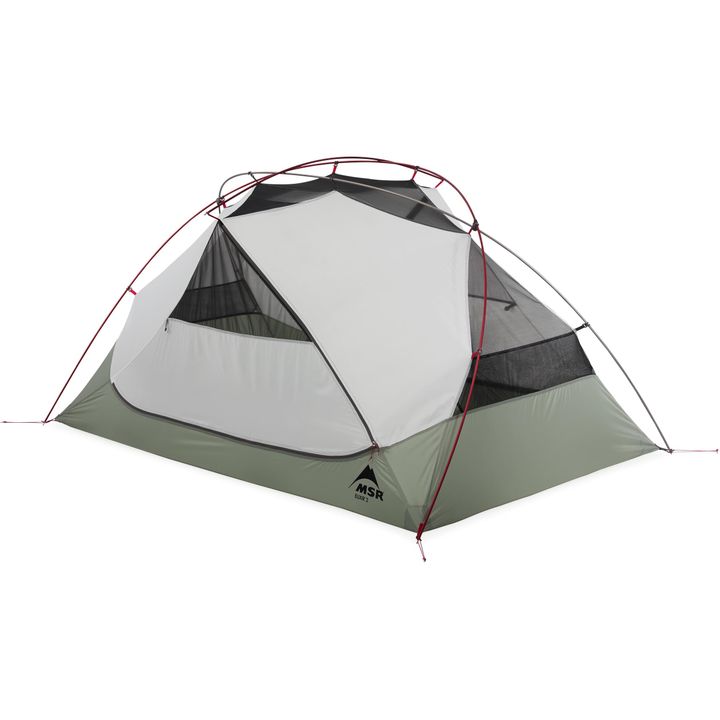
MSR
Elixir 2 Tent
Two travelers comparing a shared shelter for camping and shorter backpacking trips.
$339.95USD · checked 2026-10-05
Buy at MSRDirect merchant link · not an affiliate link
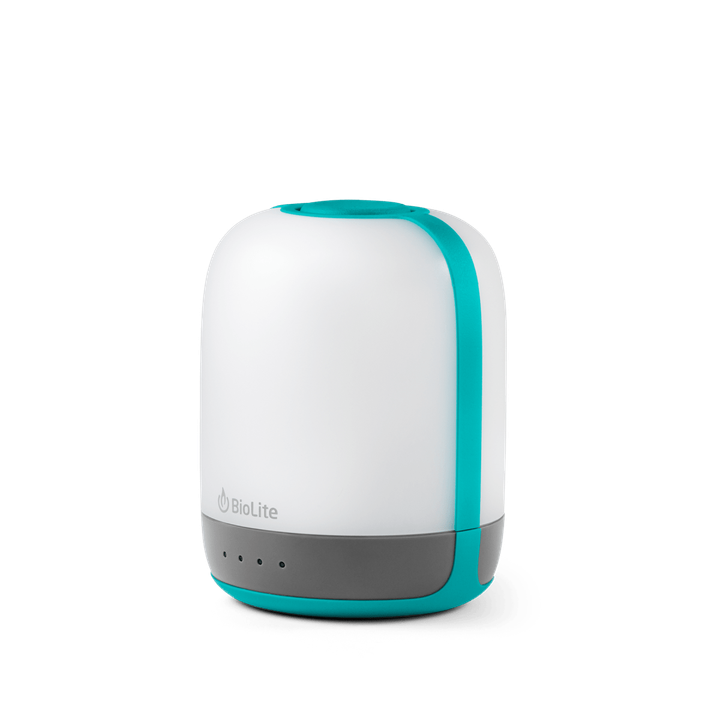
BioLite
AlpenGlow 250 Lantern
Travelers who want an area light for evenings in camp.
$59.95USD · checked 2026-10-05
Buy at BioLiteDirect merchant link · not an affiliate link
A FEW GOOD QUESTIONS
Before you pack
Is this a complete checklist for remote camping?
No. It is a starter framework for an overnight trip. Remote travel, particular weather and local rules need further preparation and appropriate guidance.
Should everyone bring a separate lantern and tent?
Not automatically. Decide what can be shared, then assign responsibility for carrying and checking each shared item.
Sources & editorial notes
- MSR: current Elixir 2 specifications and tent-weight definitions
- BioLite: AlpenGlow 250 specifications and charging input
Manufacturer details and airline examples checked October 5, 2026. Policies, prices and products can change. These guides are editorial planning advice; they do not claim hands-on product testing.