Capacity, charging speed and compatibility are separate questions. Start with the devices you use and the time you expect to spend away from an outlet.
List your actual charging needs
Write down your phone, earbuds, camera and any other device that needs recharging during the trip. Note the connector and charging requirements stated by each manufacturer. A laptop can turn a small phone kit into a very different power-bank comparison.
Decide when you will next reach an outlet. A day of navigation between hotel stays and several nights without mains power need different plans. Carrying a larger bank adds weight, so choose the need before the capacity.
Read energy and output separately
Watt-hours describe stored energy. Watts describe the rate of power delivery under a compatible charging setup. A larger energy figure does not automatically mean faster charging, and a high-output port does not necessarily offer more total stored energy.
The Nitecore NB10000 Gen4 is published with a 39 Wh rating, up to 22.5 W from a single port and a 15 W total shared output. These figures describe different limits. We do not translate them into a guaranteed number of phone charges.
Check the cable and charging profiles
A USB-C connector alone does not establish that a power bank will provide the charging behavior your device expects. Compare the supported profiles, device requirements and the cable’s capabilities. Check simultaneous-port behavior if you intend to charge two items together.
A compact bank can be appropriate for a phone-focused kit while being poorly matched to a laptop’s needs. Use the laptop manufacturer’s charging requirements when considering a laptop-capable option rather than relying on a general travel label.
Include the bank’s own recharge in your plan
A bank needs recharging too. Check its input specification and whether your wall charger and cable support it. A useful routine is to keep one small charging pouch with the required cables, so you can account for everything before leaving accommodation.
For air travel, check the airline’s current power-bank rules as a separate step. The FAA explains U.S. battery carriage requirements, and airlines may have stricter limits or use restrictions. The related flight guide links to the current source.
Before buying
- Confirm the exact model and generation.
- Compare Wh, individual output and total shared output.
- Check device compatibility and included cables.
- Review the manufacturer’s current instructions and any relevant recall notices.
- Compare the complete carry weight with your actual need between outlets.
Keep exploring: our power & tech hub brings the buying guides and product assessments together.
See the published product details
These are sourced specification assessments, not hands-on tests. Prices are dated snapshots.
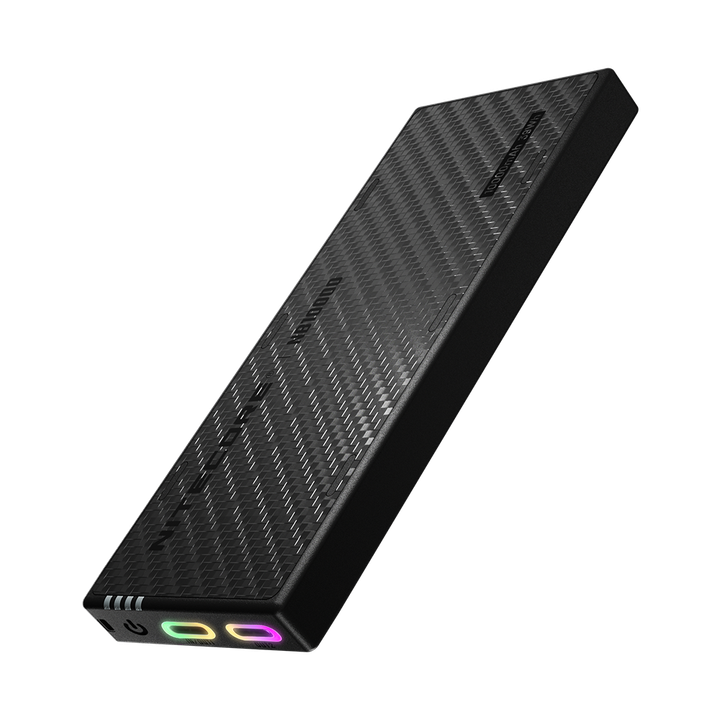
Nitecore
NB10000 Gen4 Power Bank
Travelers comparing a small power bank for a phone and modest USB-powered essentials.
$83.95USD · checked 2026-10-05
Buy at NitecoreDirect merchant link · not an affiliate link
A FEW GOOD QUESTIONS
Before you pack
Does 10,000mAh guarantee two full phone charges?
No. The result depends on battery voltage, conversion losses, the phone’s battery and whether you use it while charging. We do not give a fixed charge count without measurements.
Will a small USB-C power bank charge my laptop?
Only if its output and supported charging profiles match the laptop’s requirements. A USB-C port alone is not proof of compatibility.
Sources & editorial notes
- Nitecore: NB10000 Gen4 energy and charging specifications
- FAA PackSafe: lithium batteries and power banks
Manufacturer details and airline examples checked October 5, 2026. Policies, prices and products can change. These guides are editorial planning advice; they do not claim hands-on product testing.