A maximum-lumen figure tells you one part of the story. The more useful comparison is the light level you need, how long you need it and how you will recharge it.
Choose the task before the brightness number
A shared table, a tent interior and a walk away from camp need different types of illumination. A lantern can spread light across an area, while a headlamp follows your direction of view. Start with where the light will sit or hang and who needs to use it.
Check the lowest useful setting as well as the maximum. A lamp that is comfortable for reading may not need its brightest mode. An easy-to-reach dimmer can matter more to your routine than a larger headline output.
Match runtime claims to the setting
Look for runtime figures attached to named brightness settings. A very long low-mode claim should not be treated as the runtime at maximum output. Plan your evenings around the level you expect to use, then leave a margin for a later arrival or an extra night.
BioLite lists five hours on high and up to 200 hours on low for the AlpenGlow 250. These are manufacturer claims, not Trip & Kit measurements. We have not tested how its output changes as the battery runs down.
Check the port and your charging routine
Look at the input port rather than assuming all rechargeable lights use USB-C. The featured AlpenGlow 250 uses Micro USB. That means you need the appropriate cable even when your phone and power bank already use USB-C.
Decide whether recharging will happen at accommodation, in a vehicle or from a power bank. A lantern with a charging-out feature still shares its stored energy between light and other devices; avoid counting the same battery twice in your plan.
A practical comparison sheet
- Lighting task and the places you expect to hang or stand the lantern.
- Runtime at the brightness level you intend to use.
- Charging input, cable and charging time stated by the manufacturer.
- Packed dimensions, weight and controls that might activate in a bag.
- A separate personal light when you need to move away from the shared area.
Keep exploring: our camping & lighting hub brings the buying guides and product assessments together.
See the published product details
These are sourced specification assessments, not hands-on tests. Prices are dated snapshots.
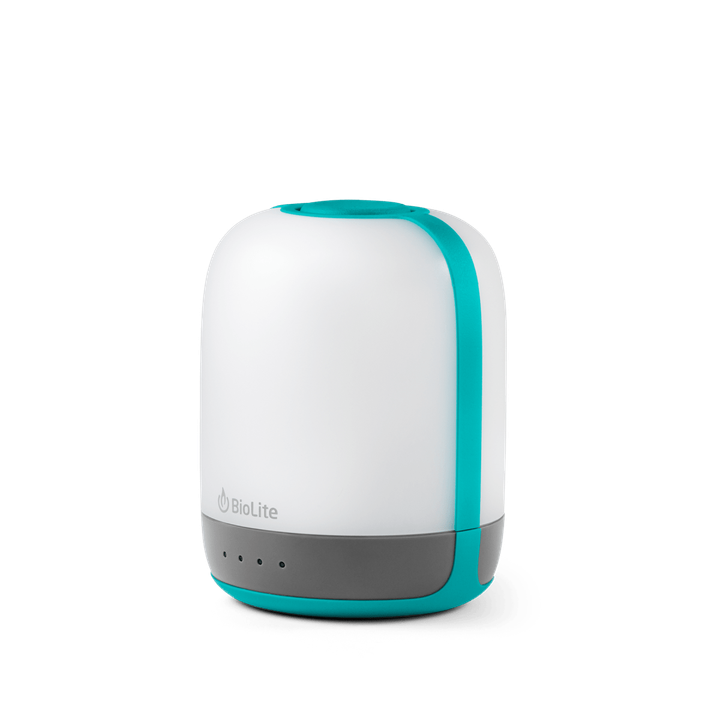
BioLite
AlpenGlow 250 Lantern
Travelers who want an area light for evenings in camp.
$59.95USD · checked 2026-10-05
Buy at BioLiteDirect merchant link · not an affiliate link
A FEW GOOD QUESTIONS
Before you pack
Does a longer advertised runtime mean a brighter lantern?
No. Compare the brightness setting attached to each runtime figure. A long low-mode claim is not the same as sustained maximum output.
Does every rechargeable camping lantern use USB-C?
No. Check the exact product’s input port. The AlpenGlow 250 featured here uses Micro USB.
Sources & editorial notes
Manufacturer details and airline examples checked October 5, 2026. Policies, prices and products can change. These guides are editorial planning advice; they do not claim hands-on product testing.