The useful number of clothes depends on what you will do and how you like to travel. Build a small set of complete outfits before adding individual extras.
Write down the days that need a different outfit
Start with the activities: a transit day, city walks, outdoor time and any event with a particular dress requirement. Set aside the clothing each genuinely needs. If an item belongs only to an imagined activity, decide whether that activity is actually on the itinerary.
Check the forecast and the conditions you will encounter, including evenings and indoor settings. A single packing formula cannot establish suitable clothing for every season or destination.
Build combinations around a useful layer
Lay out complete outfits together so you can see whether tops, bottoms and a layer work in more than one combination. Use clothing you already wear comfortably. A travel label is less useful than knowing that a garment works for your own walking, sitting and daily routine.
Keep essential personal clothing and supplies in the plan. The purpose is to reduce unnecessary duplication, not to remove things you depend on for comfort or accessibility.
Make an honest laundry plan
Check whether you have laundry facilities and enough time to use them. Do not assume a garment will dry overnight in every climate or accommodation. If laundry is uncertain, allow the spare clothing your routine needs rather than relying on an optimistic schedule.
Group garments so you can find a fresh outfit without disturbing everything else. A regular packing cube can help with organization; a compression cube is a separate decision. Test the packed arrangement with the bag you actually intend to carry.
Keep accessories tied to the itinerary
A hat may be useful for outdoor days, while an extra pair of shoes may be necessary for a planned activity. Assess each against a real use. Small items still occupy space and can add up when you carry several “just in case” options.
Our current clothing section includes a sourced packable-hat assessment and this planning guide. We have not tested a clothing range or ranked fabric performance, so there are no invented garment recommendations.
Before closing the bag
- Check the forecast again close to departure.
- Make sure every planned activity has a usable outfit.
- Put an arrival outfit or essential layer where you can reach it.
- Recheck the packed size and weight after adding shoes and toiletries.
Keep exploring: our clothing & accessories hub brings the buying guides and product assessments together.
See the published product details
These are sourced specification assessments, not hands-on tests. Prices are dated snapshots.
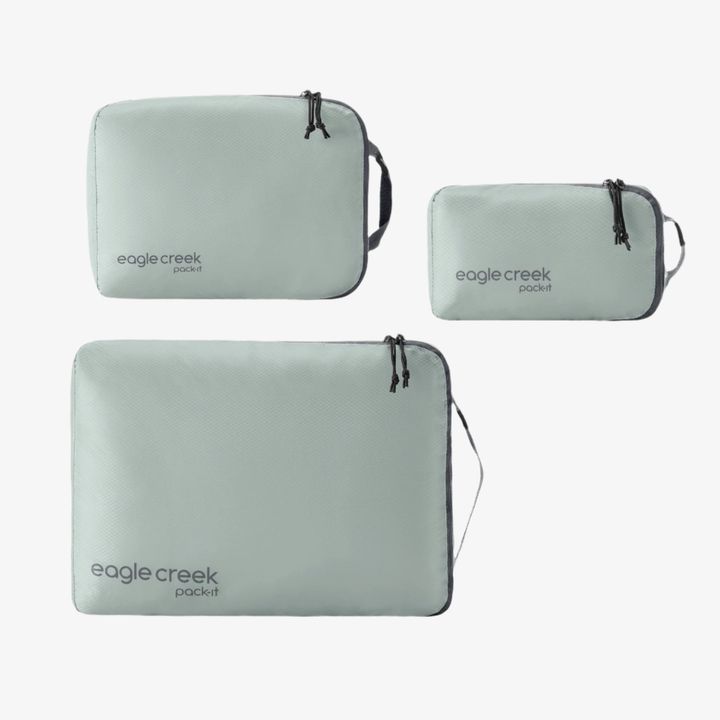
Eagle Creek
Pack-It Isolate Cube Set
Travelers who want separate clothing groups without adding a rigid organizer.
$59USD · checked 2026-10-05
Buy at Eagle CreekDirect merchant link · not an affiliate link
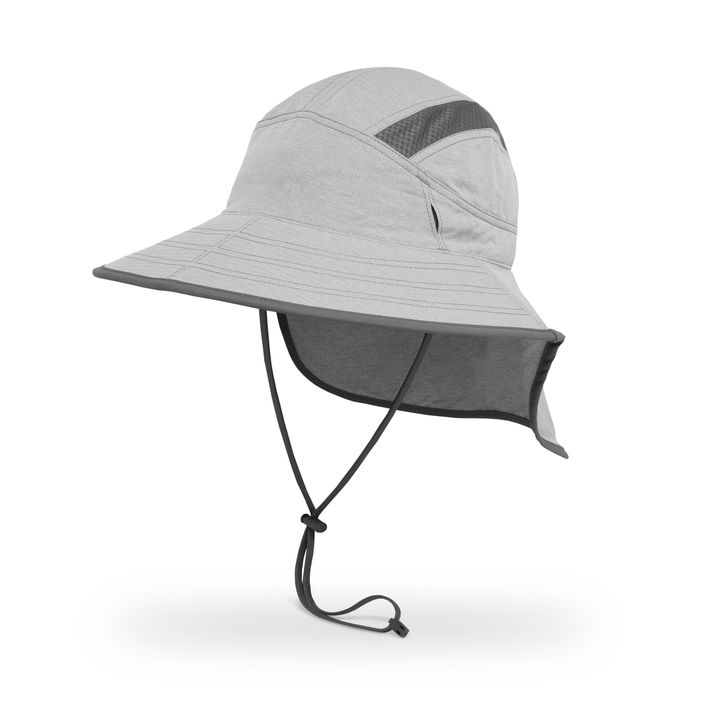
Sunday Afternoons
Ultra Adventure Hat
Travelers who want a brim and neck cape for outdoor days.
$60USD · checked 2026-10-05
Buy at Sunday AfternoonsDirect merchant link · not an affiliate link
A FEW GOOD QUESTIONS
Before you pack
How many outfits should I pack for a week?
It depends on activities, conditions, your routine and reliable laundry access. Lay out complete outfits for your actual itinerary rather than using a universal count.
Do I need specialist travel clothing?
Not automatically. Start with garments you already find comfortable for the activities you have planned, then add something only to address an identified need.
Sources & editorial notes
- Eagle Creek: Pack-It Isolate Cube Set
- Sunday Afternoons: Ultra Adventure Hat features and packing instructions
Manufacturer details and airline examples checked October 5, 2026. Policies, prices and products can change. These guides are editorial planning advice; they do not claim hands-on product testing.